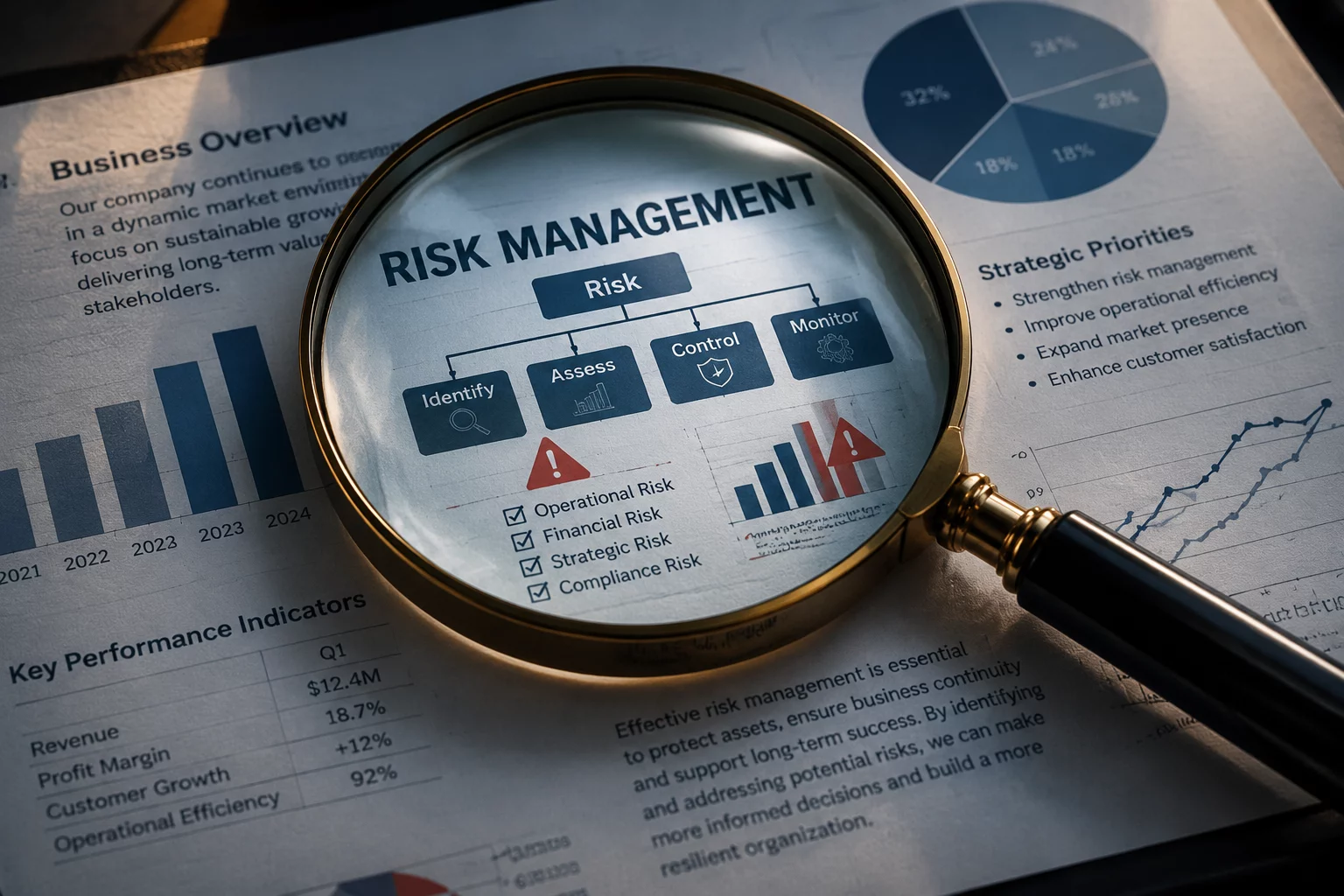
Uncovering the Blind Spots of Conventional Continuity Planning
For decades, organizations relied on annual risk assessments and shelf-bound disaster recovery binders. While these static documents satisfied baseline regulatory compliance audits, they regularly collapse when confronted with cascading supply chain failures, cloud outages, or coordinated cyber threats. When critical dependencies remain unmapped, incident responders spend crucial hours locating contact sheets rather than mitigating operational downtime.
Fusion Risk Management shifts this dynamic by integrating live dependency mapping with real-time operational telemetries. Instead of viewing risk through isolated functional silos, cross-departmental impacts become visible within a single pane of glass. This visibility allows decision-makers to anticipate secondary disruptions across third-party vendors, specialized applications, and communication channels before customer-facing services degrade.
"True operational resilience is not measured by the length of a disaster recovery manual, but by the velocity at which teams adapt to unscripted disruptions."
Core Structural Pillars of Modern Risk Orchestration
Transitioning away from reactive disaster recovery requires a continuous risk architecture built on dynamic data ingestion and interconnected dependency models.
Dynamic Dependency Graphing
Connects vital business processes directly to underlying databases, software dependencies, physical facilities, and third-party vendors to simulate systemic impact during unforeseen outages.
Automated Impact Quantification
Replaces tedious periodic surveys with algorithmic risk scoring, highlighting emerging vulnerabilities across operational supply lines before thresholds breach.
Four-Phase Implementation Methodology
Implementing modern risk intelligence demands a structured sequence that transforms scattered operational documentation into actionable workflows.
Inventory Operational Dependencies
Catalog all Tier-1 business capabilities, key human personnel, primary software vendors, and physical assets into a single relational data model.
Establish Tolerance Limits
Define clear Maximum Tolerable Outage (MTO) and Recovery Time Objectives (RTO) for mission-critical client services and internal tools.
Run Scenario Simulations
Conduct live tabletop exercises and simulated infrastructure interruptions to evaluate automated escalation paths and team response times.
Calibrate Real-Time Dashboards
Configure automated alerts and role-based incident views to ensure executive stakeholders and engineering leads receive synchronized situational updates.
Operational Resilience Benchmark Standards
Review these foundational technical parameters to evaluate how your current risk posture compares against industry-leading resilience standards.
| Parameter | Operational Standard | Validation Criteria |
|---|---|---|
| Dependency Mapping Frequency | Real-time API sync with CMDB and cloud services | Zero unmapped critical dependencies after 24 hours |
| Incident Triage Latency | Automated severity escalation within 120 seconds | All incident response leads acknowledged in under 5 minutes |
| Plan Revision Lifecycle | Continuous versioning triggered by infrastructure change | 100% compliance with ISO 22301 and operational resilience guidelines |
Elevate Your Team's Continuity Readiness
Connect with our continuity architects to audit your existing risk frameworks and design resilient workflows.