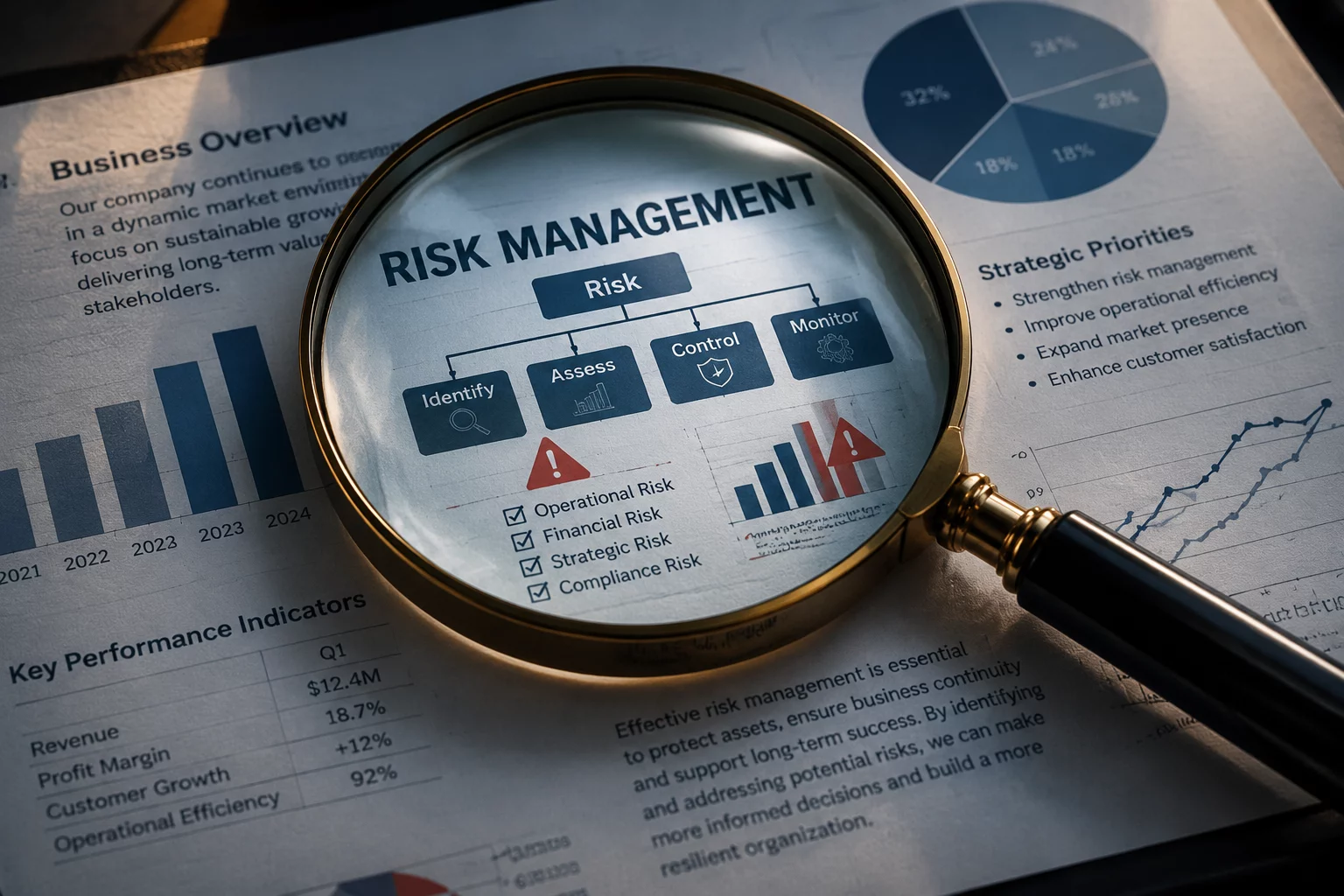
Convergence of GRC and Business Continuity Systems
Corporate continuity planning is moving away from fragmented disaster manuals and isolated risk spreadsheets toward unified, software-driven command centers. Fortiv evaluated the top ten business continuity solutions across Fortune 500 deployments, identifying a decisive migration toward integrated Governance, Risk, and Compliance (GRC) architectures. Companies running fragmented toolsets struggle to reconcile compliance mandates with real-world failover playbooks during severe disruptions.
Consolidating threat registers, vendor assessments, and live incident escalation into a single operational data model shortens critical recovery validation cycles by over 40%. The research confirms that operational endurance is no longer managed as a siloed IT contingency, but as an ongoing cross-departmental discipline directly tied to board-level risk management.
"Enterprise resilience in 2026 relies on real-time operational integration: when compliance data, third-party risk assessments, and incident response playbooks run on a shared platform, organizational response switches from reactive damage control to predictable execution."
Core Pillars of Consolidated Operational Resilience
The Fortiv index identifies two primary structural mechanisms separating top-tier continuity platforms from legacy point solutions.
Unified Threat Telemetry & Risk Registers
Continuous synchronization between supplier audit findings, cyber posture feeds, and asset dependency maps provides risk leaders with clear visibility across systemic points of failure before disruptions cascade.
Automated Recovery Orchestration
Dynamic runbooks connect role-based team alerts directly with immutable audit trails, ensuring rapid execution during crisis scenarios while maintaining effortless regulatory audit compliance.
Phased Transition Framework for Platform Consolidation
Migrating enterprise resilience operations requires a structured sequence that maintains active business operations throughout the consolidation process.
Audit and Map Distributed Dependencies
Catalog every disconnected BIA document, third-party vendor register, and emergency contact database across global departments to establish a clean baseline.
Standardize Business Impact Analysis Workflows
Replace manual yearly surveys with automated, event-driven questionnaires connected directly to operational changes in IT infrastructure and supplier contracts.
Centralize Incident Response Playbooks
Unify crisis communication trees, emergency notification protocols, and disaster recovery execution steps inside a single interface with role-based access.
Activate Continuous Compliance Dashboards
Enable live reporting telemetry to monitor recovery time objectives (RTO) and recovery point objectives (RPO) against strict regulatory standards without manual data preparation.
Fortiv Benchmark Evaluation Criteria
The comparative study evaluates resilience platforms across three stringent operational parameters.
| Parameter | Operational Standard | Validation Criteria |
|---|---|---|
| Data Model Harmonization | Unified schema across risk registers, IT assets, and DR plans | Zero manual file imports between audit logs and active emergency runbooks |
| Dynamic BIA Recalibration | Event-driven impact adjustments triggered by operational events | Risk scores update automatically within 24 hours of vendor or infrastructure change |
| Incident Escalation Speed | Multi-channel mass notifications linked to task runbooks | Emergency response team acknowledgment confirmed in under 3 minutes |
Modernize Your Continuity Framework
Connect with our team to explore structured resilience models and streamline platform consolidation for your organization.